 Technology
Plant-mediated nanobioformulation
One product, multiple crops: a next-generation crop-protection platform built from plant bioactives, green nanotechnology and biopolymer-based delivery.
Validated in relevant environments (greenhouse and field trials). Multi-location field trials under controlled supervision are taking the technology towards TRL-7.
The development roadmap- 1Plant bioactives Naturally derived bioactive ingredients.
- 2Green nanotechnology Plant-mediated approaches integrated with nanotechnology.
- 3Biopolymer-based delivery May improve stability, delivery and plant-surface interaction.
- 4At the plant surface Better adhesion, penetration and controlled release.
Conceptual illustration, not to scale.
Why nanobioformulation
Plant bioactives are valuable, but conventional botanical formulations can struggle in the field. Nanotechnology and biopolymer delivery address these weak points and make the product more practical to use.
Weak points of conventional botanicals
- Stability
- Dispersion
- Degradation
- Adhesion
- Persistence
What nano-delivery adds
- Better adhesion to the plant surface
- Improved penetration
- Controlled release
- More stable, reliable field performance
Goal: effective, practical, scalable and sustainability-oriented.
The platform
- 01
Plant bioactives
Naturally derived, plant-based bioactive ingredients.
- 02
Green nanotechnology
Plant-mediated approaches integrated with advanced nanotechnology.
- 03
Biopolymer-based delivery
Biopolymer and nanoscale components may improve stability, delivery and plant-surface interaction.
- 04
Advanced nanobioformulation
One multifunctional formulation for seed, soil and foliar use.
What the formulation offers
Plant-based, low-residue
Designed for an improved safety profile, and evaluated across lab, greenhouse and field trials.
Versatile and cost-efficient
For seed, soil and foliar use, and designed for lower doses and fewer sprays to cut the cost of protection.
Nano-delivery system
Better adhesion, penetration and controlled release, for stable and reliable field performance.
Biodegradable and eco-friendly
Supports soil health and sustainability, with the aim of improving yield and crop quality.
Potential functions and modes of use
One multifunctional formulation with five potential functions. The highlighted function, fungicidal activity, is the focus of the validated product portfolio.
Fungicidal activity
The focus of the validated product portfolio.
Antimicrobial protection
Plant-growth support
Plant health and rejuvenation
Anti-viral for selected crops
Seed, soil and foliar use
Seed
Soil
Foliar
Facilities and lab capability
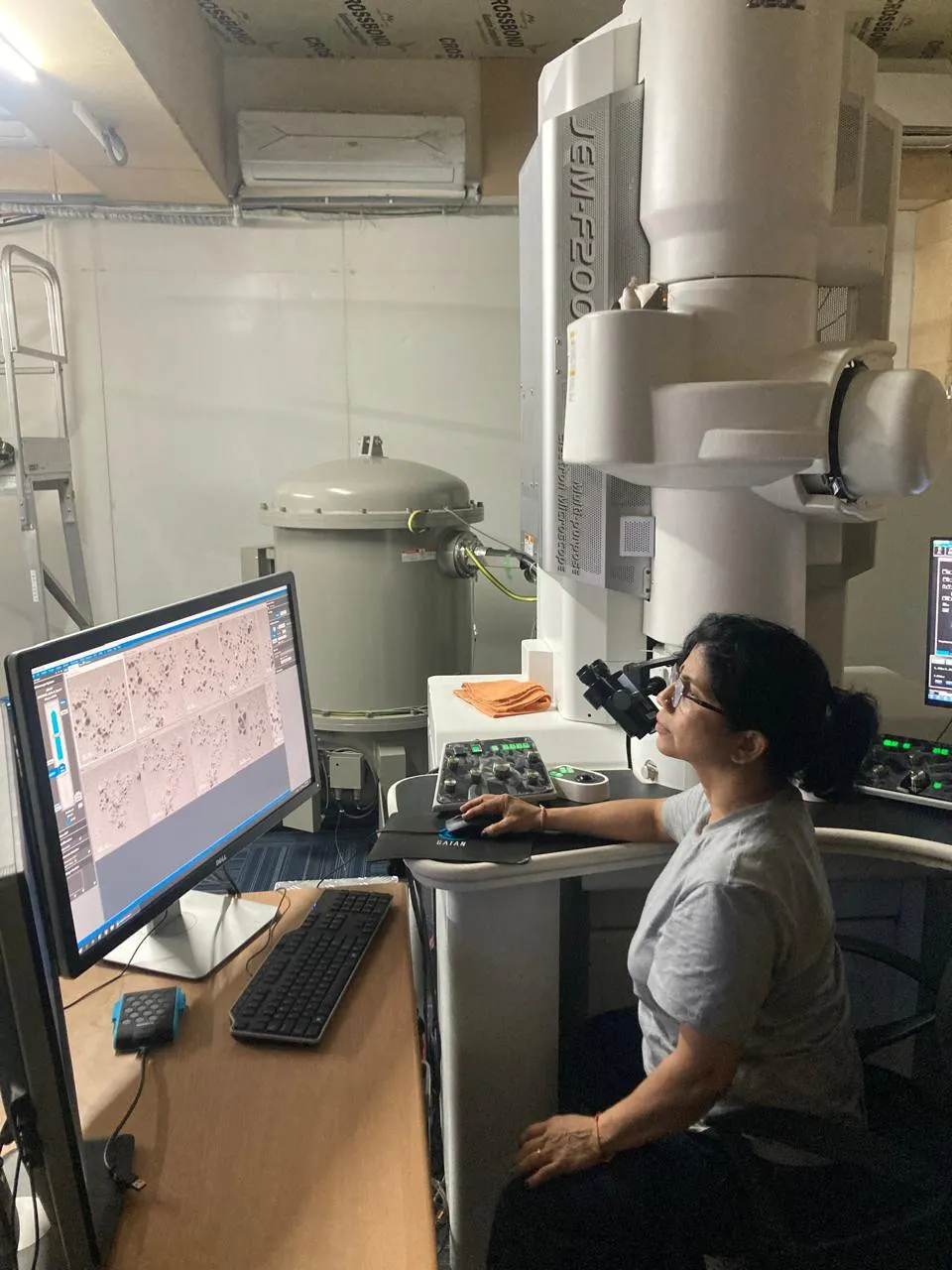
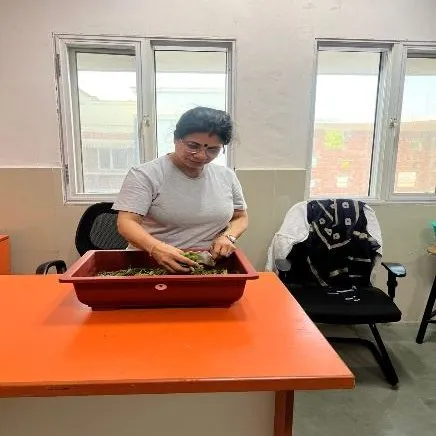
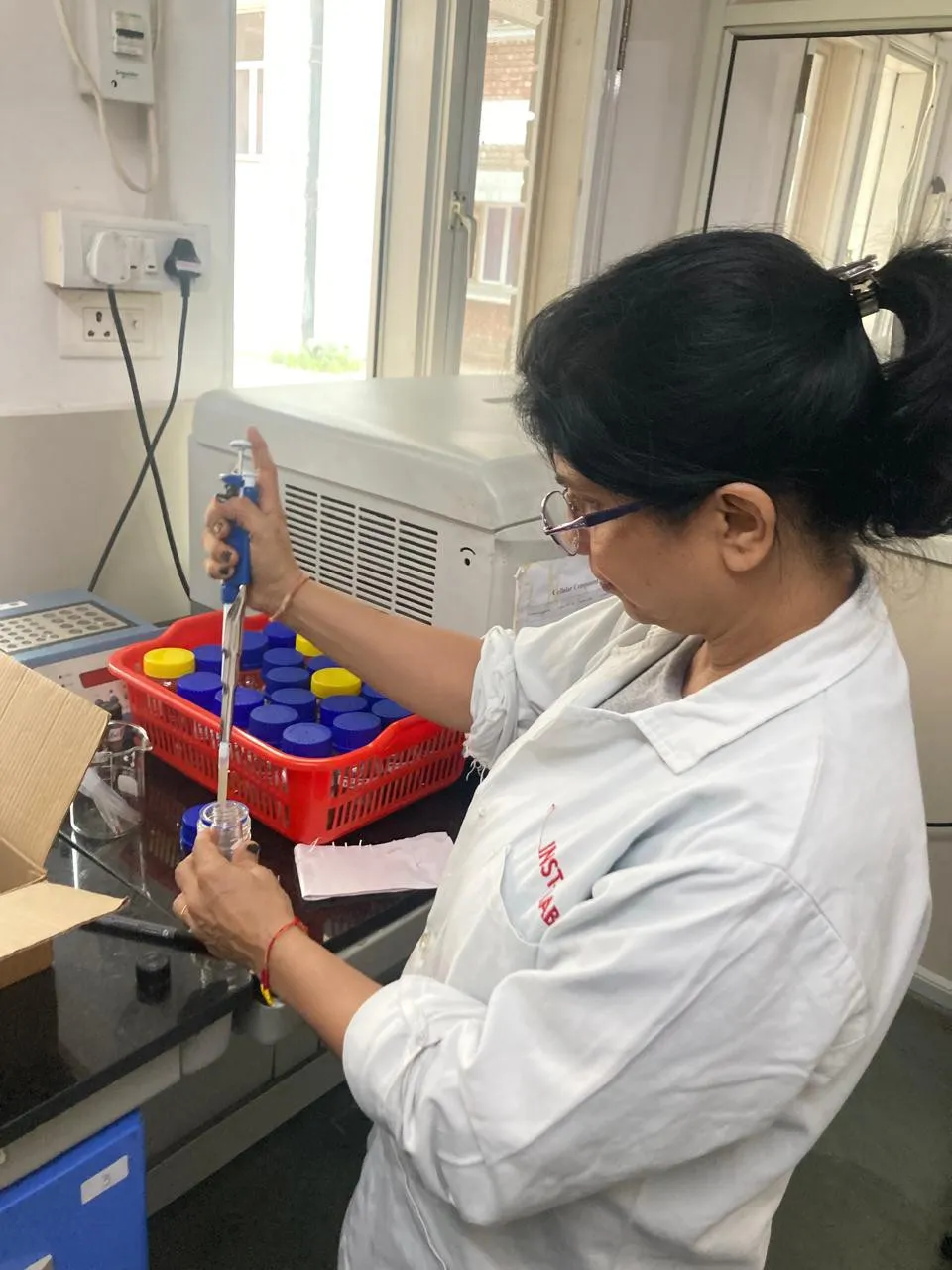
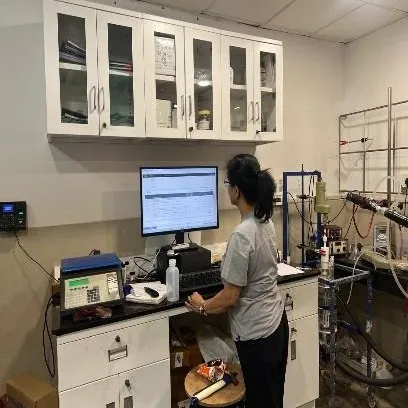
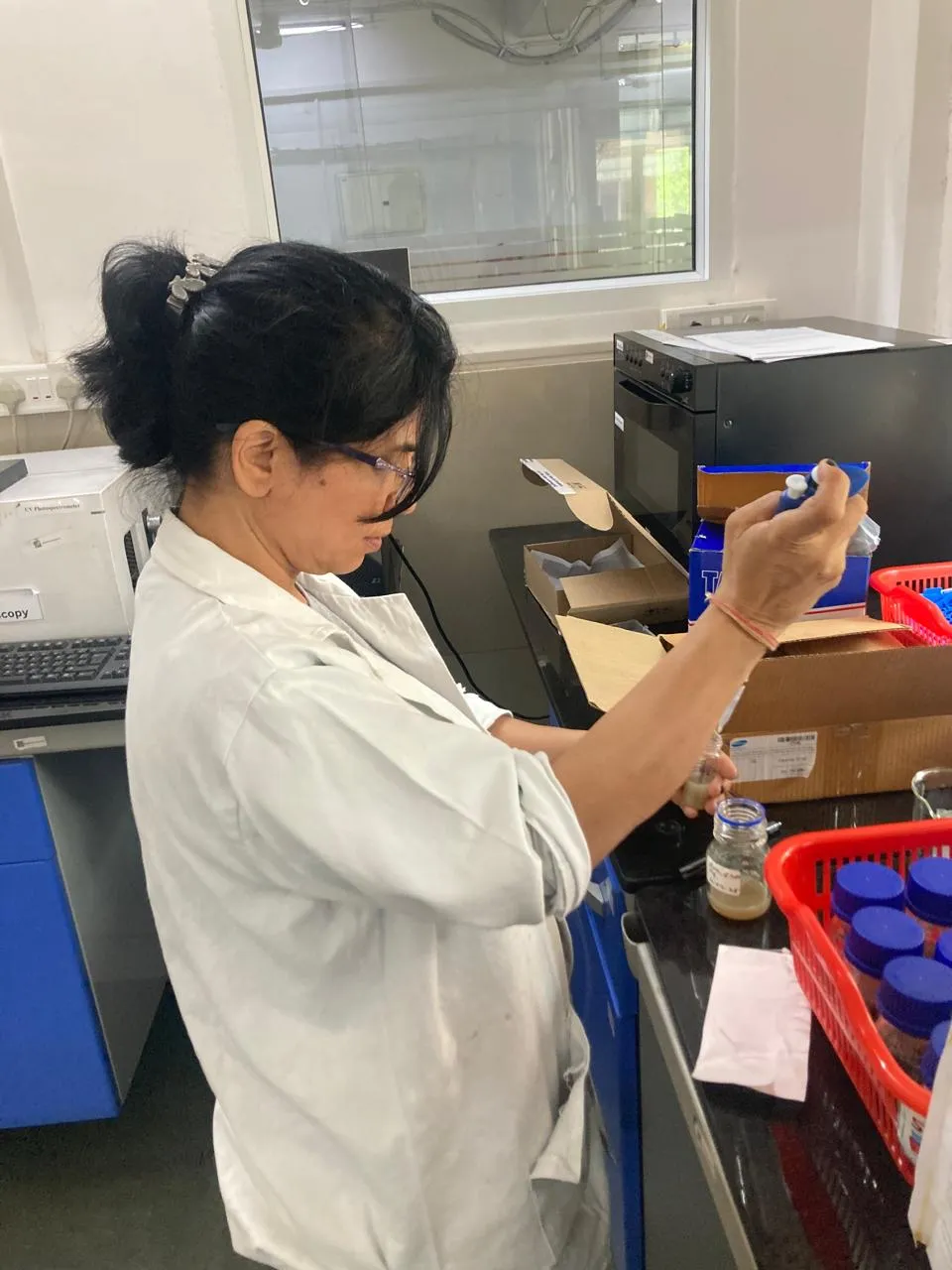
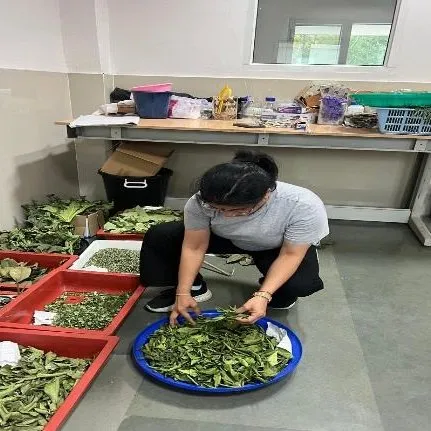
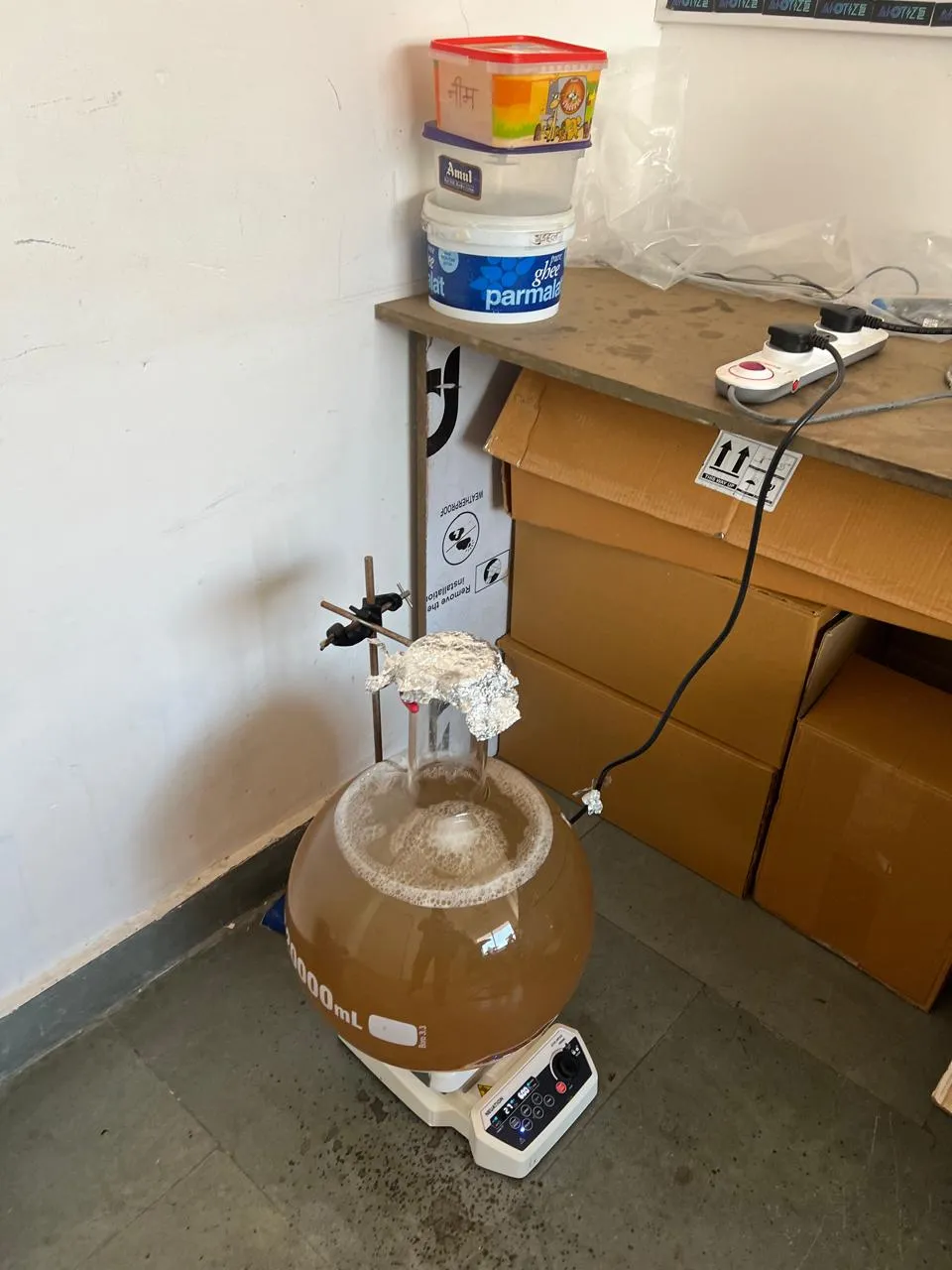
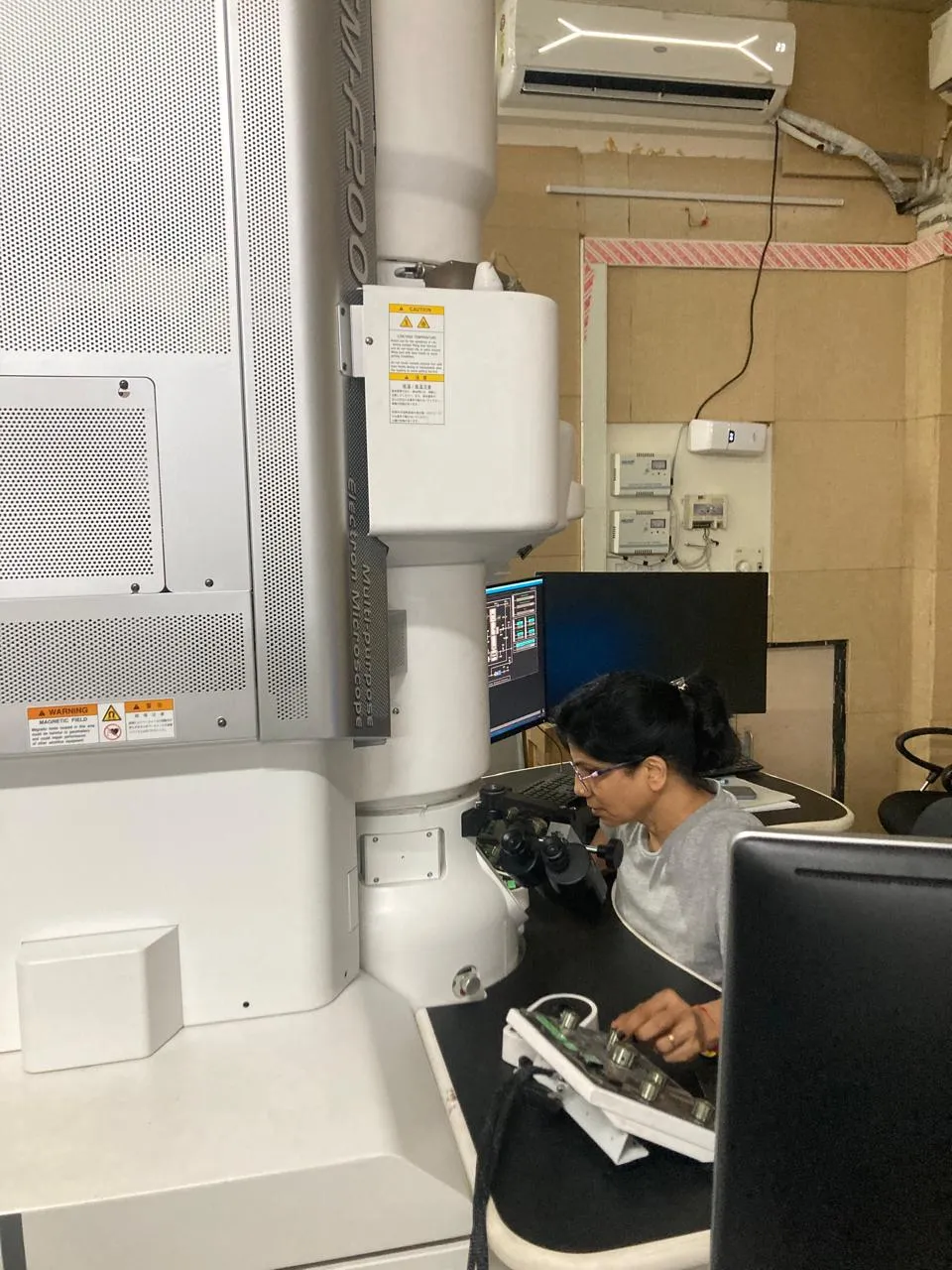
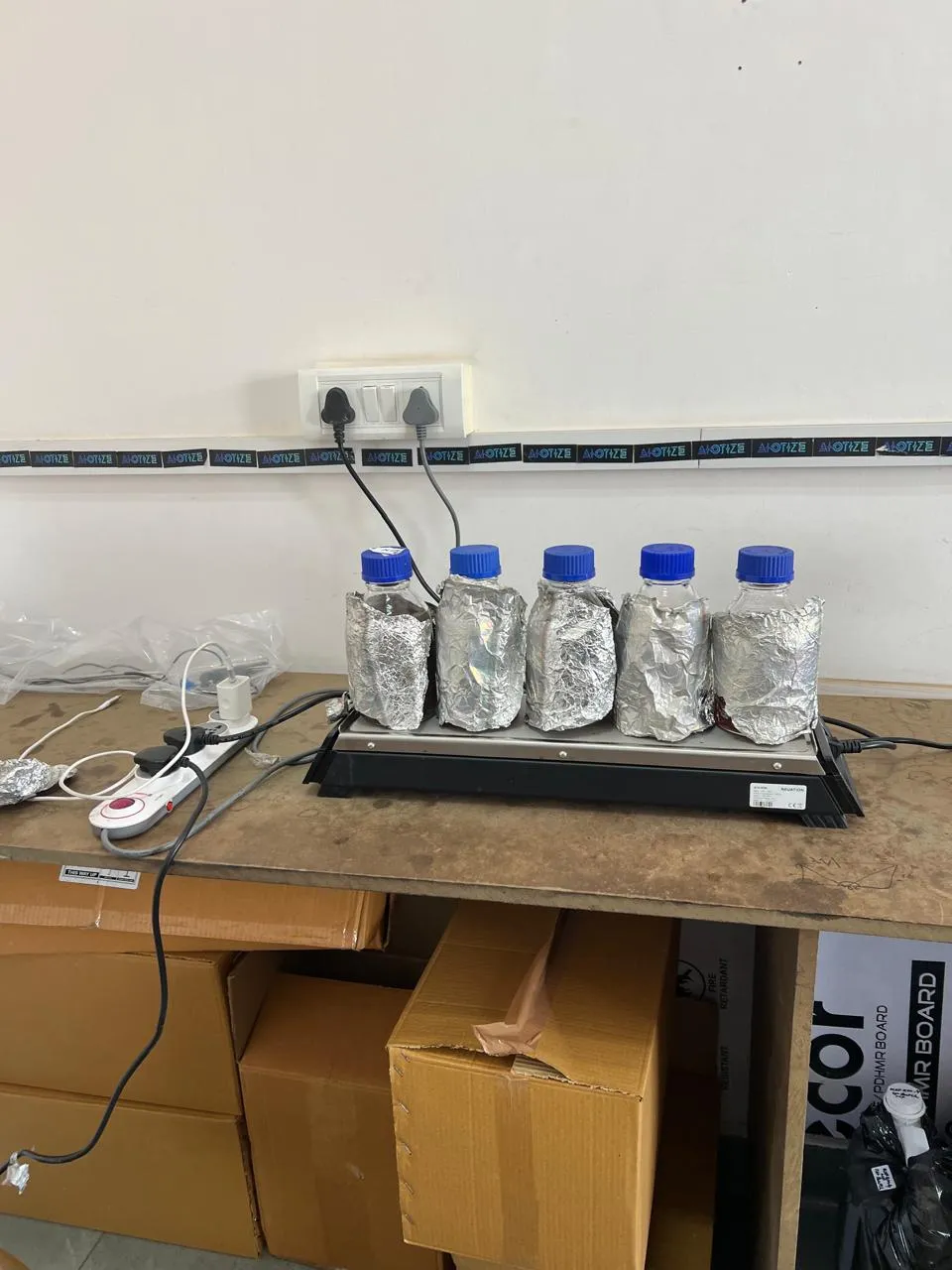
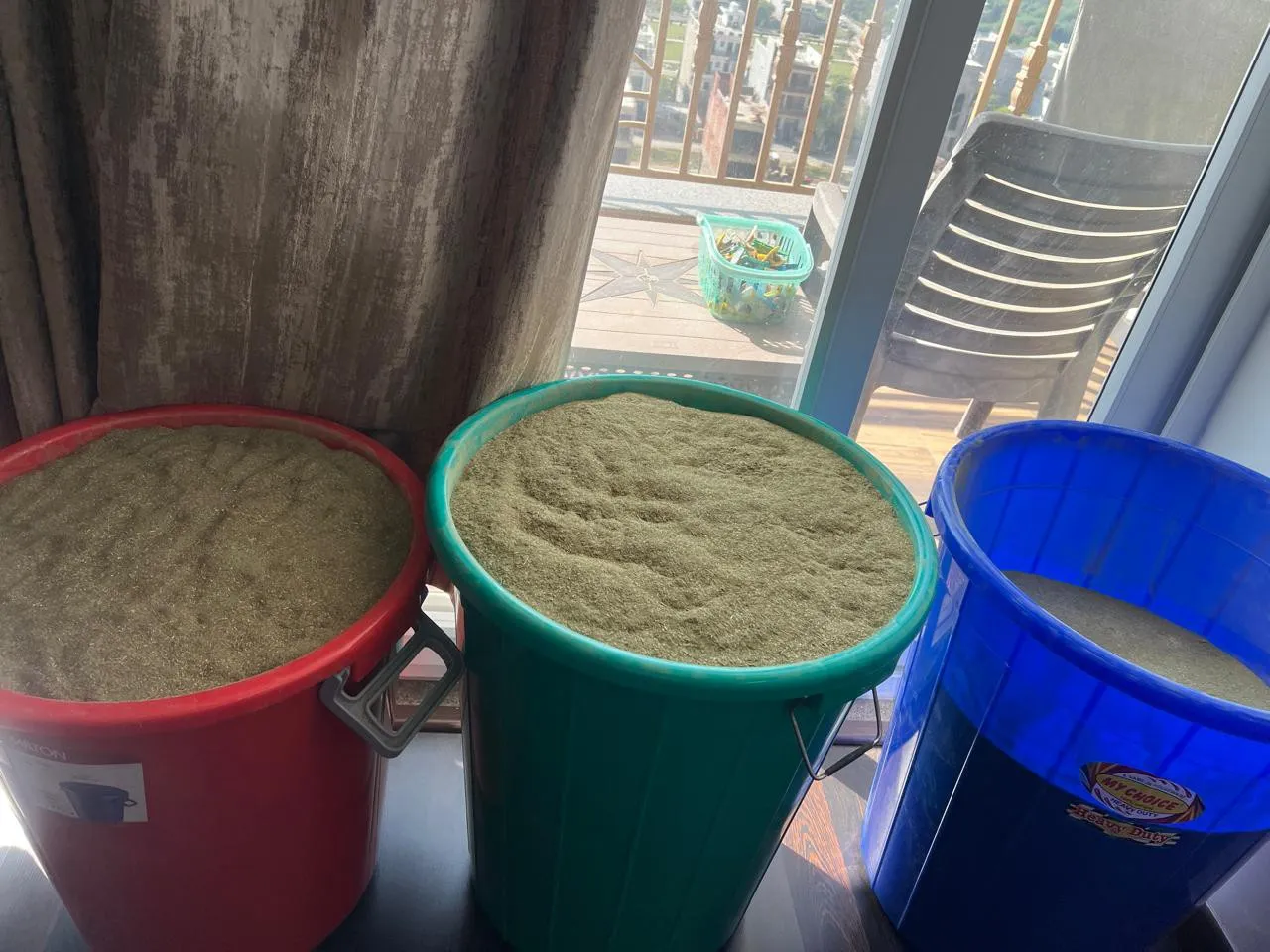
Our working space includes a plant drying and processing area, a wet lab for lab trials and a packing area. Characterisation uses:
- Safety and lab validation: cytotoxicity tests on human cell lines; physico-chemical parameters, including N-P-K; lab trials.
- Stability studies: shelf life, efficacy, safety and environmental impact.
- Greenhouse and field validation: greenhouse trials and supervised multi-location, multi-crop field trials through 2026.
patent applications filed with the Indian Patent Office
Intellectual property
Five patent applications have been filed with the Indian Patent Office. A sixth is underway.
Terms used on this site
Short, general definitions of the technical terms above.
- TRL (Technology Readiness Level)
- A 1–9 scale of how close a technology is to real-world use. TRL 6: demonstrated in a relevant environment. TRL 7: prototype demonstrated in an operational environment.
- Phytotoxicity
- Damage to a plant caused by a substance applied to it, such as leaf burn, discolouration or stunted growth.
- Rainfastness
- How well a product stays on the plant after rain instead of being washed off.
- Pathogen
- An organism that causes disease. The pathogens named on the product cards are fungi.
- UV-Vis spectroscopy
- Measures how a sample absorbs ultraviolet and visible light; used to follow the formation of nanoparticles.
- TEM
- Transmission electron microscopy: images particles at the nanometre scale to show their size and shape.
- DLS
- Dynamic light scattering: measures the size distribution of particles suspended in a liquid.
- Zeta potential
- The surface charge of particles in a liquid; an indicator of how stable a dispersion is.
- SEM-EDS
- Scanning electron microscopy with energy-dispersive X-ray spectroscopy: surface imaging plus elemental composition.
- PXRD
- Powder X-ray diffraction: identifies the crystalline structure of a material.
Work with our research team
We work with partners on validation, crop-specific trials and technology licensing.